What Is Addiction?
Signs and Symptoms of Addictions and Relapse
Behavioral and Social Signs of Addictions Include:
Continuing to use a substance (or engage in certain behaviors) despite the negative consequences that they cause
Trying but failing to reduce or stop misusing a substance
Secretive, furtive, or dishonest behavior
Psychological Symptoms of Addictions Include:
Mood swings
Anger or irritability
Paranoia
Defensiveness
Poor judgment
Psychological Models of Addictions and Relapse
There is considerable psychological theory which clinicians working in the field of addiction can draw upon.
Prochaska and DiClemente’s Transtheoretical Model (Stages of Change Model)
The transtheoretical model (Prochaska & DiClemente, 1982; Prochaska, DiClemente, Norcross, 1992) is used to conceptualize the process of intentional behavior change. It identifies important stages in the process of changing a behavior: precontemplation, contemplation, preparation, action, and maintenance. The transtheoretical model also identifies processes which need to be implemented to attain behavior change: consciousness raising (awareness of the facts), dramatic relief (paying attention to feelings), environmental re-evaluation (noticing our effects upon others), self–re-evaluation (creating a new self-image), social liberation (noticing support around us), self-liberation (making a commitment), counterconditioning (using substitutes), helping relationships (getting support), reinforcement management (using rewards), stimulus control (managing your environment).
Marlatt and Gordon’s Cognitive Behavioral Model of Relapse
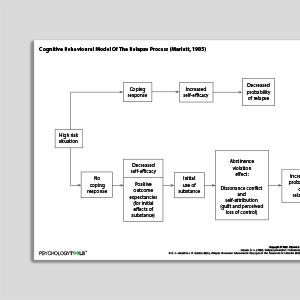
Marlatt and Gordon published a cognitive behavioral model of relapse in 1985. They conceptualize relapse as a “transitional process, a series of events that unfold over time” (Marlatt & Gordon, 1985). The model identifies factors that can contribute toward episodes of relapse. These include intrapersonal factors such as self-efficacy (the degree to which an individual feels confident and capable of performing a certain behavior in a specific situational context), outcome expectancies (an individual’s anticipation of the effects of a future experience), craving, motivation, and social support.
The Cognitive Behavioral Model of Substance Abuse
The cognitive behavioral model of substance abuse (Beck, Wright, Newman, & Liese, 1993) describes psychological areas of vulnerability that predispose an individual to misusing substances including: dysfunctional beliefs about drugs, oneself, or one’s relationship with drugs; ‘permission-giving beliefs’ with which an individual may justify their drug use; and reactions to a lapse or relapse that lead to a vicious cycle of maintenance.
Evidence-Based Psychological Approaches for Working with Addictions and Relapse
Cognitive approaches to working with addictions may include:
Resources for Working with Addictions and Relapse
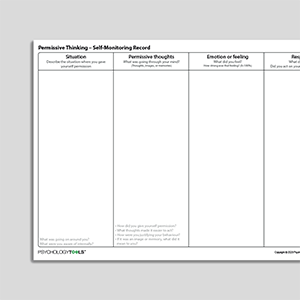
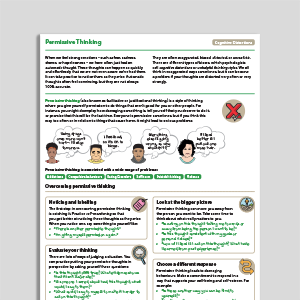
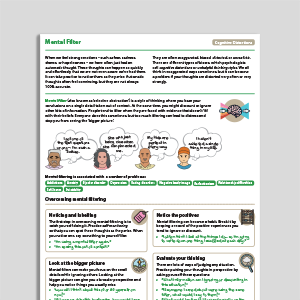
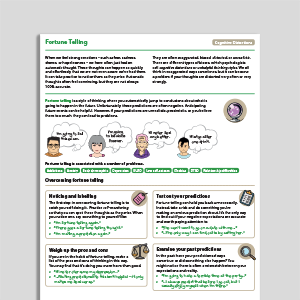
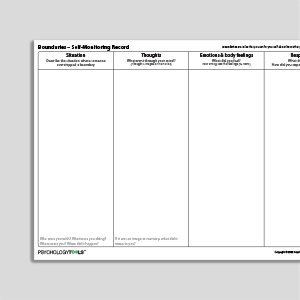
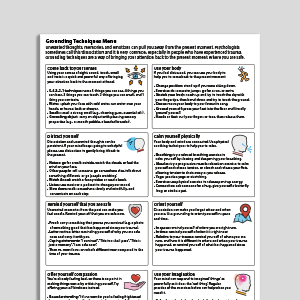
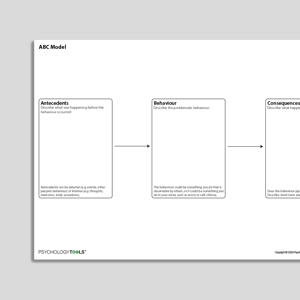
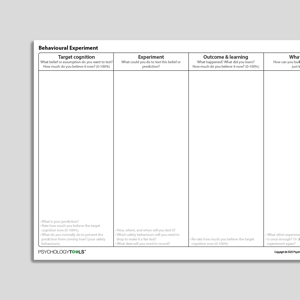
Psychology Tools resources available for working therapeutically with addictions may include:
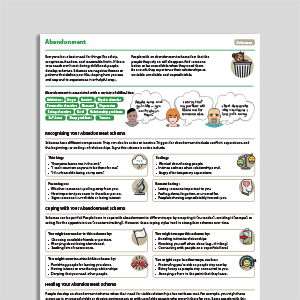
psychological models of addiction and relapse
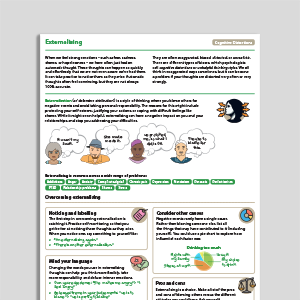
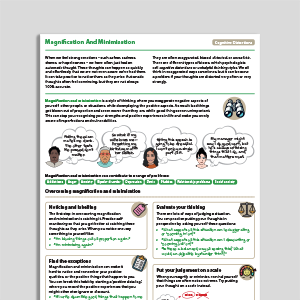
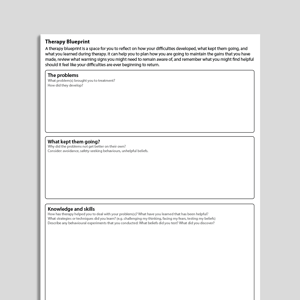
information handouts for addiction and relapse
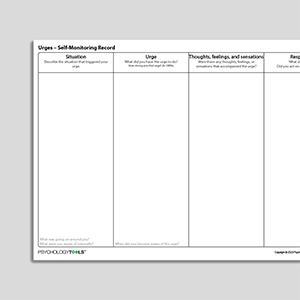
exercises for addiction and relapse
CBT worksheets for addiction and relapse
self-help programs for addiction and relapse
References
Beck, A. T., Wright, F., Newman, C., & Liese, B. (1993). Cognitive therapy of substance abuse: a treatment manual. New York Guilford.
Larimer, M. E., & Palmer, R. S. (1999). Relapse prevention: An overview of Marlatt’s cognitive-behavioral model. Alcohol Research and Health, 23(2), 151–160.
Marlatt, G. A. (1985). Relapse prevention: Theoretical rationale and overview of the model. In G. A. Marlatt & J. R. Gordon (Eds.), Relapse prevention. New York: Guilford Press.
Prochaska, J. O., & DiClemente, C. C. (1982). Transtheoretical therapy: Toward a more integrative model of change. Psychotherapy: Theory, Research & Practice,19(3), 276–288.
Prochaska, J. O., DiClemente, C. C., & Norcross, J. C. (1992). In search of how people change: Applications to the addictive behaviors. American Psychologist, 47(9), 1102–1114.
Reynolds, M., Mezey, G., Chapman, M., Wheeler, M., Drummond, C., & Baldacchino, A. (2005). Co-morbid post-traumatic stress disorder in a substance misusing clinical population. Drug and Alcohol Dependence, 77(3), 251–258.